
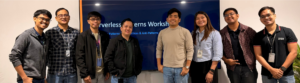


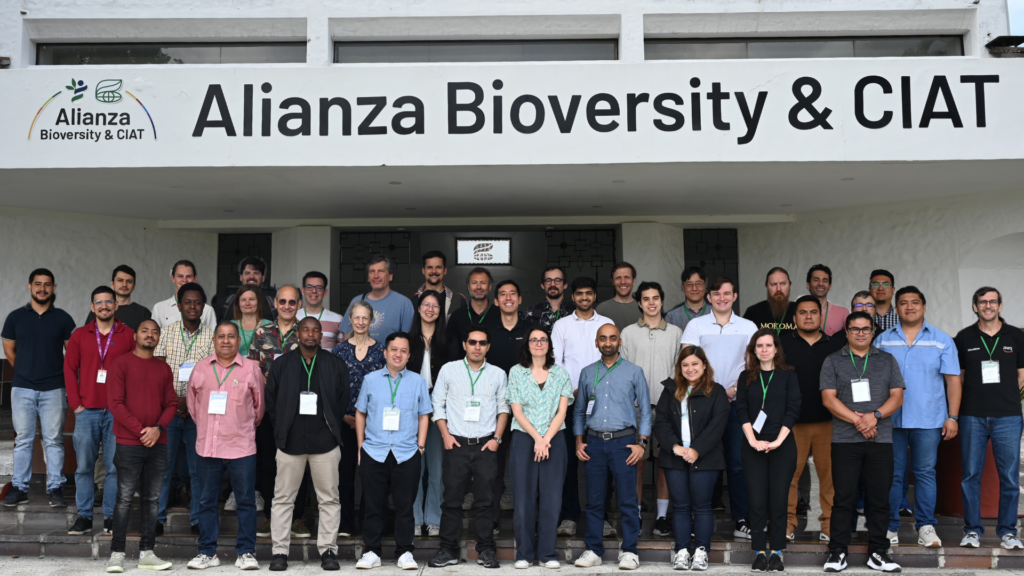
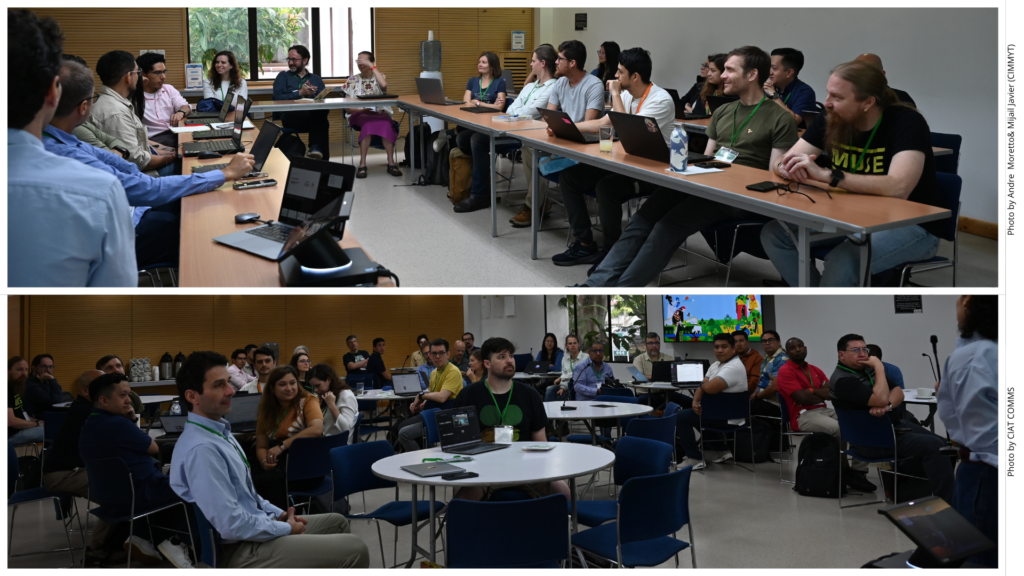
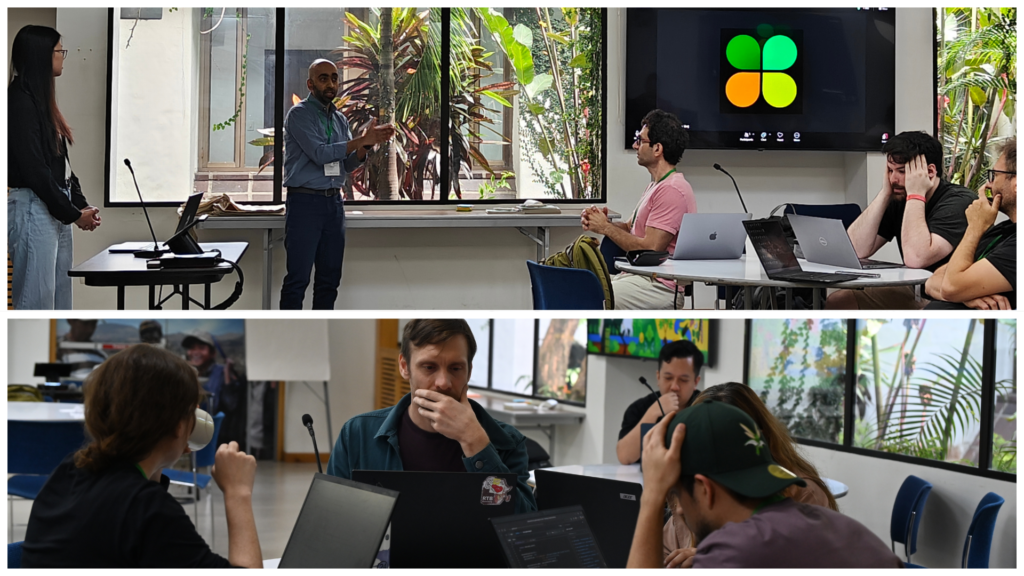
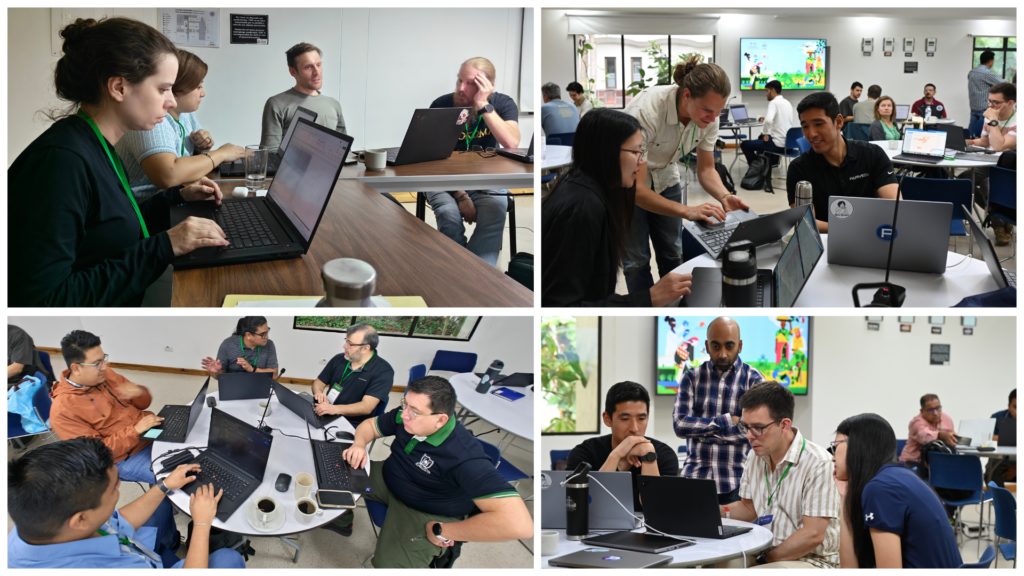
Coming from a computer science background, I initially expected the hackathon to focus mainly on coding and technical work. However, I quickly realized that the most valuable part of the EBS Hackathon was the opportunity for collaboration and meaningful discussions across teams. In just one week, the Fairgrounds team gained more insights from the EBS, ClimMob, and BioFlow teams than we had through months of virtual meetings and emails. The event helped us better understand both the technical systems and the workflows behind them, while also clarifying how Fairgrounds can support interoperability across platforms and datasets. Overall, it was a valuable learning and networking experience across CGIAR.
Jennifer Qian
FAIRGROUNDS, PARIVEDA
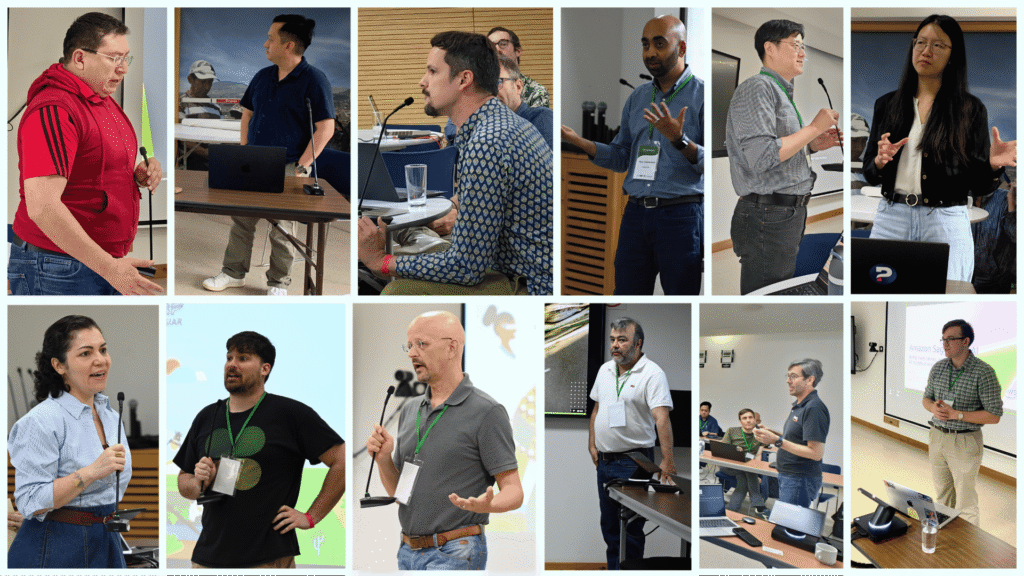
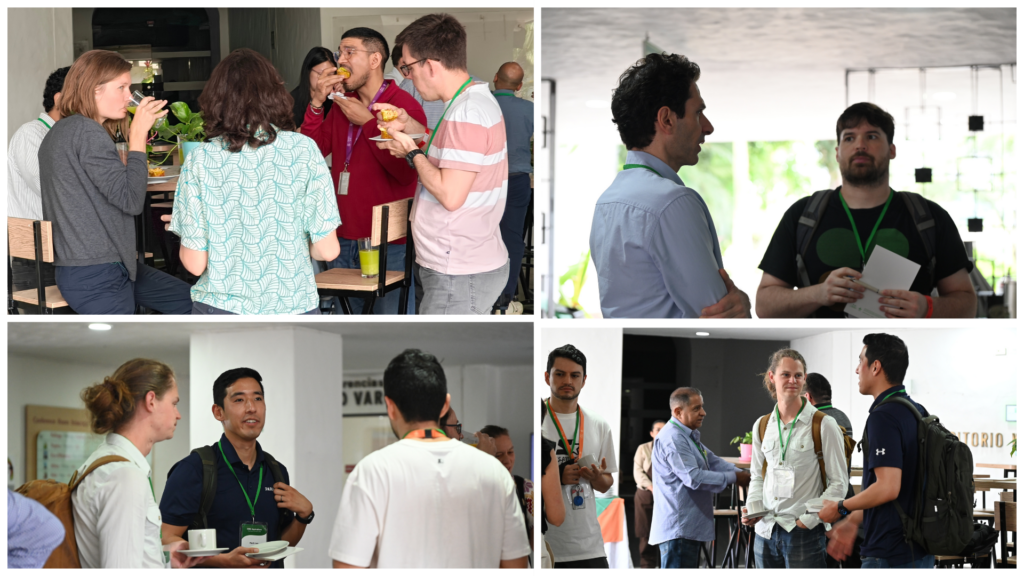
The hackathon was a valuable opportunity to reconnect with long-time colleagues and meet in person with team members I usually work with only through email. I was especially excited to learn about new tools and approaches supporting projects I am involved in and interested in. Face-to-face discussions made it easier to explain ideas, align quickly, and share updates on accomplishments and next steps. Bringing everyone together at CIAT strengthened collaboration among developers, breeders, data scientists, and support teams. Informal activities such as meals, coffee breaks, and the welcome dinner also encouraged new ideas and stronger camaraderie. I was equally impressed by how organized and productive the event remained throughout the week.
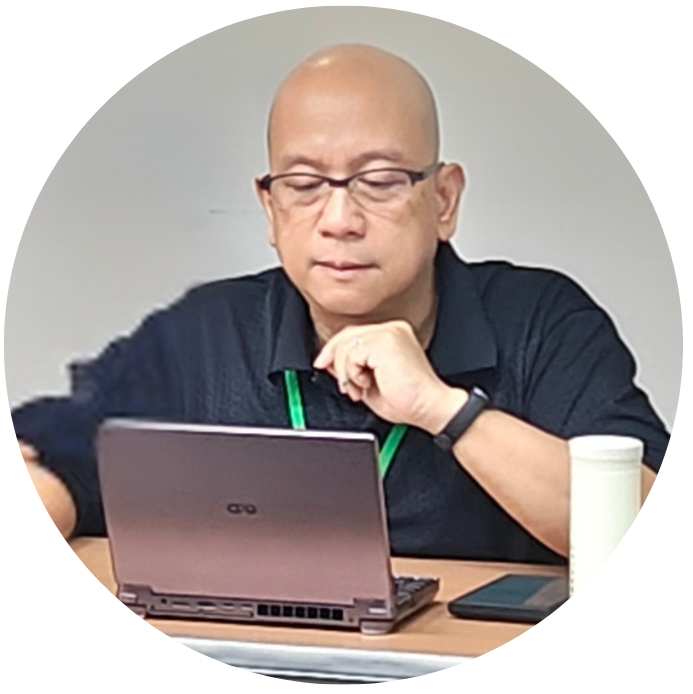
Victor Ulat
BioFlow, BioInformatics, CIMMYT
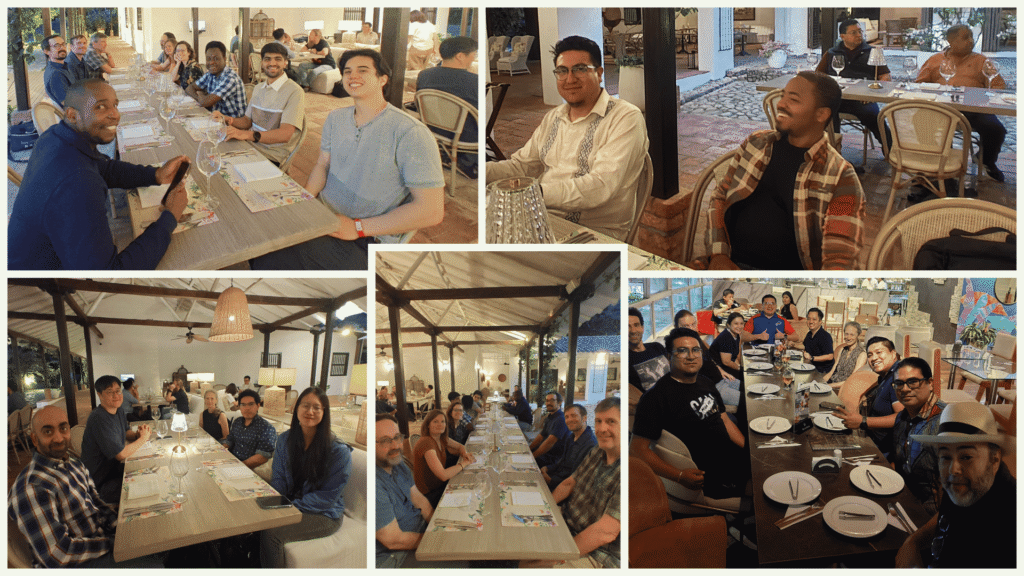
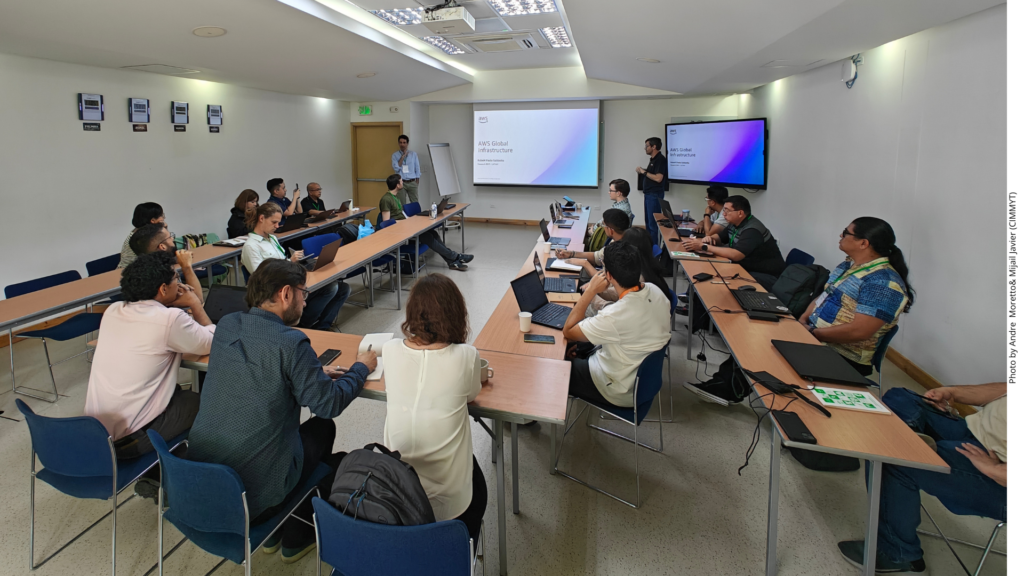
The EBS ecosystem hackathon at CIAT had a meaningful impact on me in two ways. First, the diversity of teams, skills, cultures, and centers sparked more discussions and solutions for existing challenges than I expected. By working together, teams quickly addressed interoperability limitations across the EBS ecosystem, particularly between EBS and BioFlow, creating a strong foundation for further integration with the B4T ecosystem.
Since this was my first hackathon, it was important to ensure smooth coordination before and during the event so teams could fully focus on their use cases and collaborations. Based on the outcomes now being consolidated into our year-long blueprint, I believe that goal was successfully achieved.
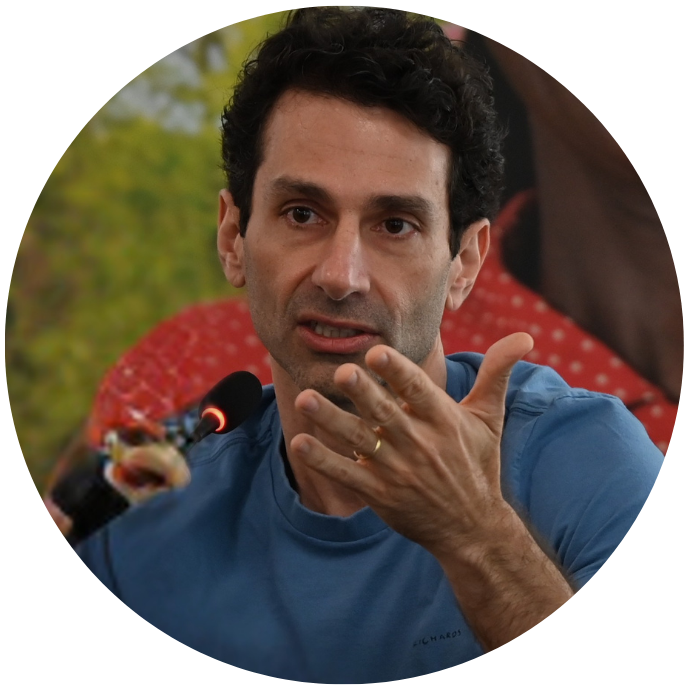
Andre Moretto
Digital Solutions (DS), CIMMYT