


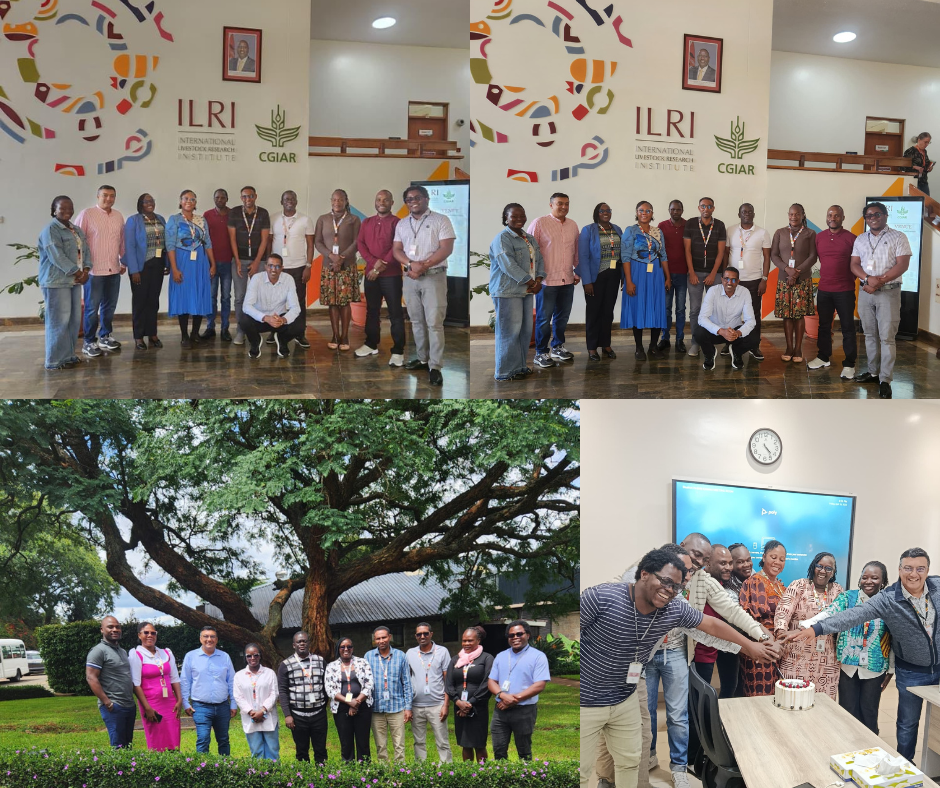
The Enterprise Breeding System (EBS) team delivered a one-week promotional training for VACS Professionals at the International Livestock Research Institute (ILRI) BeCA Campus in Nairobi, Kenya, from April 20–24, 2026. The VACS Professional training program, hosted at ILRI and led by Yao together with Marvin and Leah from the Capacity Development (CapDev) team, brought together seven participants — three male and four female — representing universities, research institutions, and agricultural organizations across Africa. The training served as a strategic platform for strengthening regional collaboration, advancing digital transformation in breeding programs, and enhancing institutional capacity in data-driven agricultural research.
The program was designed to build participants’ practical knowledge and application of the Enterprise Breeding System and its integrated digital tools. Core training modules focused on Crossing Block (CB), Field Book integration through BrAPI, Breeding Analytics (BA), and Bioflow, providing participants with end-to-end exposure to modern breeding workflows and digital research management practices.
Through a combination of technical presentations, guided demonstrations, and intensive hands-on exercises, participants explored critical workflows including germplasm and inventory management, experiment and nursery creation, crossing management, planting instructions, harvest operations, data collection, quality control processes, and phenotypic data analysis. Additional sessions introduced participants to EBS support resources, genotyping workflows, data synchronization through mobile tools, and advanced analytics capabilities for research visualization and interpretation.
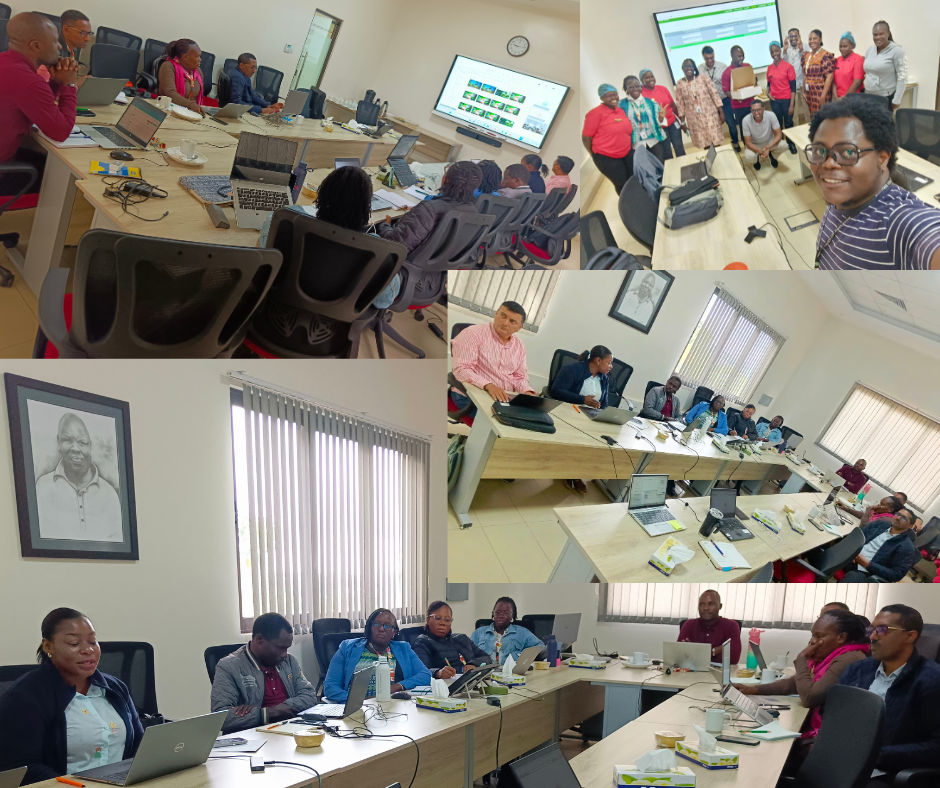
The training highlighted the value of integrated digital systems in improving efficiency, traceability, and collaboration within breeding and research programs. Participants gained direct experience in managing breeding trials, collecting and synchronizing field data, conducting quality checks, and utilizing analytical tools to support evidence-based decision-making and streamlined research operations.
The sessions were primarily facilitated by Michael Gituma (IRRI) and Trushar Shah (IITA), with additional technical contributions from Kate Dreher (CIMMYT) on EBS Support Resources and EBS instances for VACS, Abraham Lagat (CIMMYT) on Genotyping and Batch Management, and Irene Mutesi (CIMMYT) on the EBS Value Pack.
Participant feedback reflected strong engagement and enthusiasm for broader adoption of EBS within research and academic institutions. Many participants expressed interest in integrating the platform into university-led research activities and student-managed field trials, recognizing its potential to improve data management, research efficiency, and collaboration across breeding programs. The participants also emphasized their commitment to continued learning, practical application, and ongoing collaboration with the EBS team to further strengthen adoption and provide valuable user feedback for continuous system improvement.
The training concluded successfully after meeting the expectations established before and during the sessions, reinforcing the growing demand for scalable and sustainable digital breeding solutions across Africa. By equipping researchers and breeding professionals with modern tools, workflows, and technical support resources, the initiative contributes to strengthening institutional research capacity, promoting sustainable digital practices, and advancing collaborative innovation within the agricultural research community.